Landlords in Kent: the local picture and keeping up with the rules
This is written for the landlord with one or two properties rather than a portfolio: somebody who bought a flat years ago, or inherited a house, or moved out and kept the old place on. If that is you, you have probably noticed that the obligations keep arriving and that nobody sends you a summary.
We cannot give you that summary, and it is worth saying why rather than pretending. The rules change, and an article that confidently states a deadline is worse than useless once that deadline moves. What we can do is tell you the direction of travel, point you at the places that hold the current position, and be clear about the part we can actually help with.
The local picture
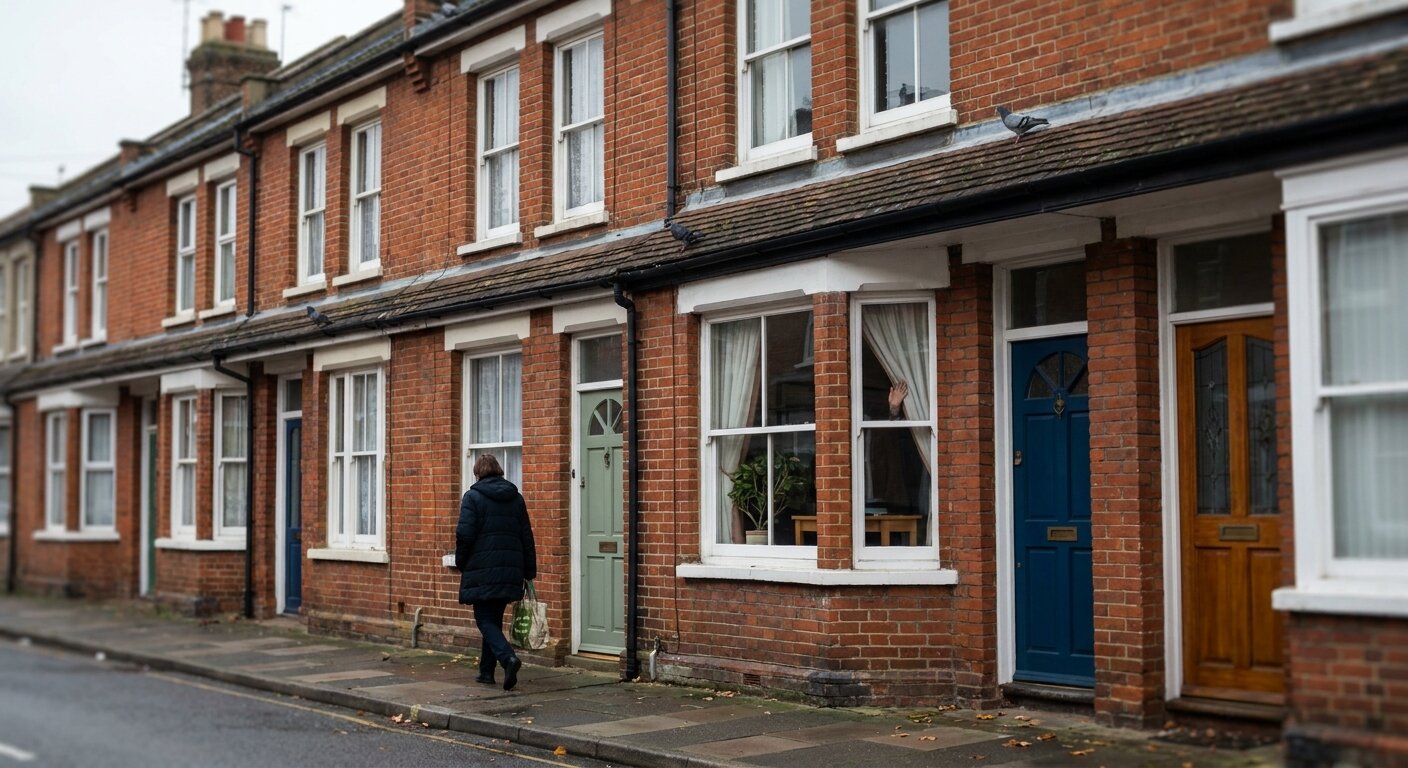
North Kent has a substantial private rented sector, and Gravesend's position on the high-speed line shapes who rents here: a good proportion of tenants commuting into London, alongside local demand.
The practical consequence for a landlord is that this is not a marginal rental market. It is an ordinary one, with ordinary expectations of the condition and management of a property.
The direction of travel, honestly
Over recent years the obligations on landlords in England have been increasing, across three broad areas: the terms on which tenancies are held, the standards a property must meet, and how income is reported for tax.
We have deliberately not listed dated requirements here. Instead, the two you should specifically check your own position against:
The Renters' Rights Act. Recent legislation affecting landlords in England. Whether and how it applies to you, and by when, is worth confirming from gov.uk rather than from any summary, including ours.
Making Tax Digital for Income Tax. This affects some landlords, depending on circumstances and timing. Again, check the current position rather than assuming. MCC Partners, who sit alongside us, handle this side of things.
If that reads as cautious, it is deliberate. We would rather send you to the source than have you rely on a paragraph we wrote months ago.
A genuinely useful local resource
Gravesham Borough Council runs a landlord forum for the private rented sector. It is one of the few places you can hear the current position on local requirements directly, and ask a question of the people who administer them.
Worth checking their website for the next one.
Where insurance fits, which is the part we can help with
This is where landlords most often have a gap without knowing it.
Standard home insurance does not cover a let property. If you moved out and started renting the place without telling your insurer, the policy may not respond in the way you expect. That is the single most common problem we see, and it is entirely fixable.
The cover a landlord needs is a different product, and it comes in parts:
- Buildings insurance, for the structure.
- Landlord contents, for what you have provided rather than what the tenant owns.
- Property owner's liability, for claims arising from the property.
- Rent guarantee, for periods when rent is not being paid.
- Legal expenses, for the disputes that occasionally follow.
Which of those you need depends on the property and on how you let it. Policies vary considerably in what they cover and what they exclude, so the wording matters more than the headline.
What we are not doing here
We are not advising you on whether to keep, sell or buy a rental property, and we are not advising you on tax. Both depend entirely on your circumstances.
If it has been a while
If your landlord cover has rolled over unexamined for a few years, or if you are renting out a property that is still on a standard home policy, that is worth half an hour of somebody's attention. The initial consultation is free of charge and without obligation.
We are in Gravesend, and we place landlord cover as well as arranging mortgages, so it is one conversation rather than two.
Your home/property may be repossessed if you do not keep up repayments on a mortgage or other debt secured on it.
The FCA does not regulate some forms of Buy to Let.
There may be a fee for mortgage advice. The precise amount of the fee will depend upon your circumstances.
Should you fail to disclose or misrepresent a fact, then you risk the insurer only paying part of the claim, declining to pay all the claim and possibly declaring the policy invalid.
Please be aware that by clicking on to any of the above links you are leaving our website. Please note that neither we nor HL Partnership Limited are responsible for the accuracy of the information contained within the linked site(s) accessible from this page.
Talk to us
Every situation is different. If you would like to talk yours through with someone, we are here in Gravesend and happy to help.
Recent articles
- Landlords in Kent: the local picture and keeping up with the rules
- Buying a period property in Kent: what catches people out on insurance
- Salary, dividends and retained profit: the words a lender will ask about
- Self-employed and thinking about a mortgage? The paperwork to get in order
- How lenders read a company director's income, and why brokers differ