Our Blog

Landlords in Kent: the local picture and keeping up with the rules

Landlords in Kent: the local picture and keeping up with the rules

19 August 2026

This is written for the landlord with one or two properties rather than a portfolio: somebody who bought a flat years ago, or inherited a house, or moved out and kept the old place on. If that is you, you have probably noticed that the obligations keep arriving and that nobody sends you a summary.

We cannot give you that summary, and it is worth saying why rather than pretending. The rules change, and an article that confidently states a deadline is worse than useless once that deadline moves. What we can do is tell you the direction of travel, point you at the places that hold the current position, and be clear about the part we can actually help with.

The local picture

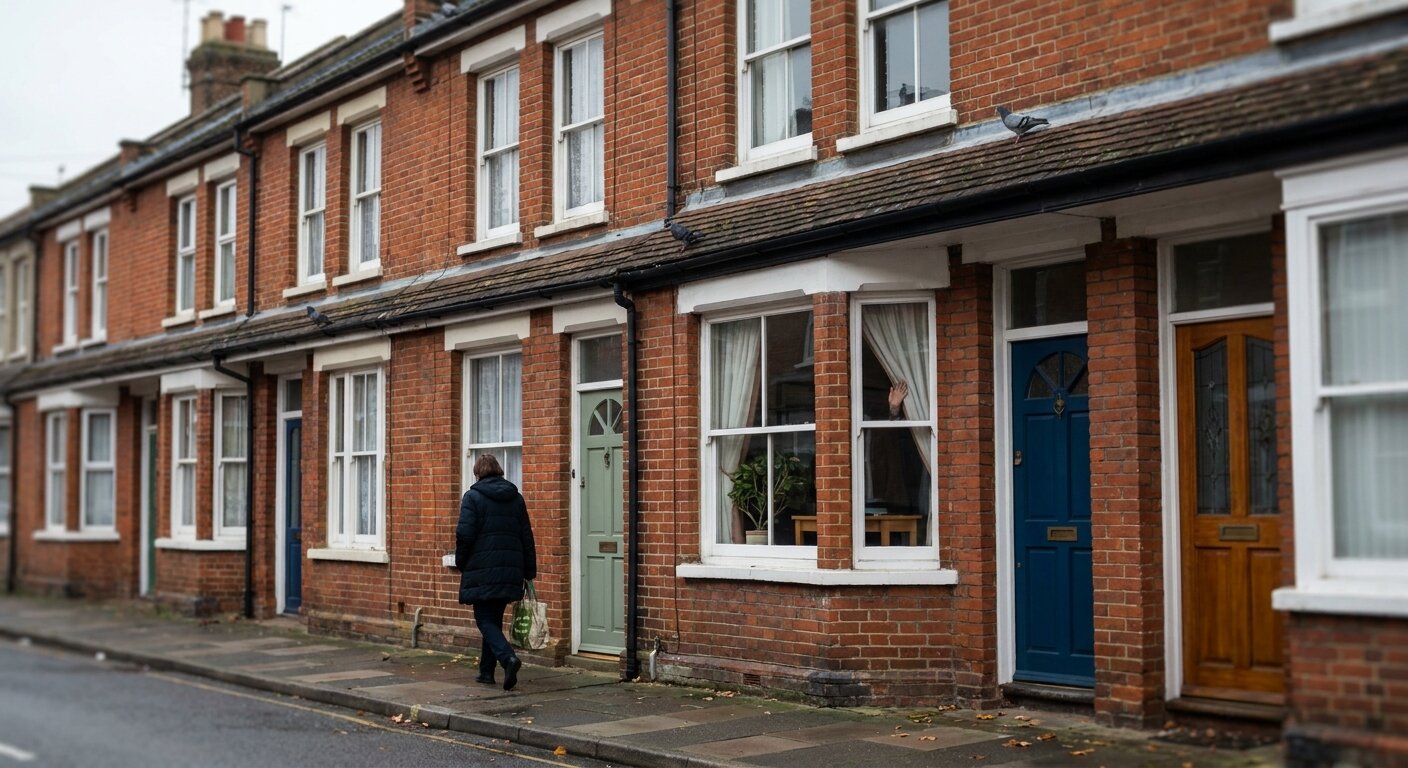
North Kent has a substantial private rented sector, and Gravesend's position on the high-speed line shapes who rents here: a good proportion of tenants commuting into London, alongside local demand.

The practical consequence for a landlord is that this is not a marginal rental market. It is an ordinary one, with ordinary expectations of the condition and management of a property.

The direction of travel, honestly

Over recent years the obligations on landlords in England have been increasing, across three broad areas: the terms on which tenancies are held, the standards a property must meet, and how income is reported for tax.

We have deliberately not listed dated requirements here. Instead, the two you should specifically check your own position against:

The Renters' Rights Act. Recent legislation affecting landlords in England. Whether and how it applies to you, and by when, is worth confirming from gov.uk rather than from any summary, including ours.

Making Tax Digital for Income Tax. This affects some landlords, depending on circumstances and timing. Again, check the current position rather than assuming. MCC Partners, who sit alongside us, handle this side of things.

If that reads as cautious, it is deliberate. We would rather send you to the source than have you rely on a paragraph we wrote months ago.

A genuinely useful local resource

Gravesham Borough Council runs a landlord forum for the private rented sector. It is one of the few places you can hear the current position on local requirements directly, and ask a question of the people who administer them.

Worth checking their website for the next one.

Where insurance fits, which is the part we can help with

This is where landlords most often have a gap without knowing it.

Standard home insurance does not cover a let property. If you moved out and started renting the place without telling your insurer, the policy may not respond in the way you expect. That is the single most common problem we see, and it is entirely fixable.

The cover a landlord needs is a different product, and it comes in parts:

  • Buildings insurance, for the structure.
  • Landlord contents, for what you have provided rather than what the tenant owns.
  • Property owner's liability, for claims arising from the property.
  • Rent guarantee, for periods when rent is not being paid.
  • Legal expenses, for the disputes that occasionally follow.

Which of those you need depends on the property and on how you let it. Policies vary considerably in what they cover and what they exclude, so the wording matters more than the headline.

What we are not doing here

We are not advising you on whether to keep, sell or buy a rental property, and we are not advising you on tax. Both depend entirely on your circumstances.

If it has been a while

If your landlord cover has rolled over unexamined for a few years, or if you are renting out a property that is still on a standard home policy, that is worth half an hour of somebody's attention. The initial consultation is free of charge and without obligation.

We are in Gravesend, and we place landlord cover as well as arranging mortgages, so it is one conversation rather than two.

Your home/property may be repossessed if you do not keep up repayments on a mortgage or other debt secured on it.

The FCA does not regulate some forms of Buy to Let.

There may be a fee for mortgage advice. The precise amount of the fee will depend upon your circumstances.

Should you fail to disclose or misrepresent a fact, then you risk the insurer only paying part of the claim, declining to pay all the claim and possibly declaring the policy invalid.

Please be aware that by clicking on to any of the above links you are leaving our website. Please note that neither we nor HL Partnership Limited are responsible for the accuracy of the information contained within the linked site(s) accessible from this page.

Buying a period property in Kent: what catches people out on insurance

Buying a period property in Kent: what catches people out on insurance

19 August 2026

North Kent is full of older houses. Victorian terraces run through Gravesend and Northfleet, and out in the villages you find weatherboarded and timber-framed cottages, some of them listed.

People fall in love with these houses, and they are right to. But insuring one is a different exercise from insuring a 1990s semi, and it is a much better conversation to have before exchange than after.

The single most useful idea in this article

Rebuild cost is not market value, and for an older house the two can be a long way apart.

Most people assume a cheaper house is cheaper to insure. Buildings insurance is not about what you paid; it is about what it would cost to put the house back. With traditional materials and traditional methods, that can be considerably more than the price on the listing.

It can go the other way too. Either way, guessing is the problem. A proper rebuild assessment is worth having on an older property rather than putting a round number in a form.

Materials and construction, and why insurers ask

Insurers ask about construction because it changes how a claim is repaired, not because they are being difficult. In this part of Kent the things that come up are:

  • Timber frame and weatherboarding, common in the villages.
  • Solid walls with no cavity, which is most of the Victorian stock.
  • Lath and plaster internally.
  • Peg tile or slate roofs, which are repaired by different trades and to different costs than modern coverings.

None of these makes a house difficult to insure. They make it a house that needs describing accurately.

Listed buildings and conservation areas

If a building is listed, or sits in a conservation area, consent can govern how a repair is carried out: what materials are used, and by whom.

That has an obvious consequence for insurance. A policy needs to reflect the cost of a repair done the way it will actually have to be done. We are not going to set out what any particular consent regime requires, because it varies and it is a question for the local authority and your solicitor. The principle is what matters: check it, early.

The things that actually come up round here

Subsidence, on clay, after a dry summer. Clay soils shrink in prolonged dry weather, and that movement is associated with subsidence. Older properties with shallower foundations feel it more. It is worth knowing whether a policy includes subsidence cover, and what excess would apply if you claimed, because that excess is often higher than for other claims.

The river and the marshes. Gravesend sits on the south bank of the Thames with marshland to the north and east, so flood questions come up in some locations. We are deliberately not going to tell you whether a particular street is at risk. Look at the Environment Agency's own flood risk information for the specific address, because a general reassurance from us would be worthless and a general warning would be worse.

Older wiring and plumbing. Not glamorous, and a common source of both claims and questions.

What to actually do

Three things, in order:

  1. Ask the insurance question early, at the same time as the survey rather than the week before completion.
  2. Get a proper rebuild assessment if the property is old or unusual, rather than estimating.
  3. Describe the house accurately to the insurer: its age, its construction, its roof, its listed status. Policies vary enormously in what they cover, and an inaccurate description is the thing most likely to cause trouble at the point of a claim.

Why we are writing about this

Because it is part of buying the house rather than an afterthought, and because a great many of the properties our clients buy round here are exactly this sort of house.

We place buildings and contents cover as well as arranging mortgages, so it is one conversation rather than two. If you are looking at something older and want to talk it through, the initial consultation is free of charge and without obligation.

We are in Gravesend, and we know these houses.

Your home/property may be repossessed if you do not keep up repayments on a mortgage or other debt secured on it.

There may be a fee for mortgage advice. The precise amount of the fee will depend upon your circumstances.

Should you fail to disclose or misrepresent a fact, then you risk the insurer only paying part of the claim, declining to pay all the claim and possibly declaring the policy invalid.

Salary, dividends and retained profit: the words a lender will ask about

Salary, dividends and retained profit: the words a lender will ask about

19 August 2026

Nobody starts a business in order to learn accounting vocabulary. So it is entirely normal to run a perfectly good company for years and still not be certain what somebody means when they ask about your retained profit.

This is a plain-English glossary of the terms that come up when a lender looks at a director's or a sole trader's income. What each one means, where it appears, and why anybody cares.

Salary

Your salary is what the company pays you as an employee of it. It appears on a payslip and in the company's payroll records.

Many directors take a modest salary, for reasons that made sense when their accountant set it up. That is ordinary and it is not a problem. It does mean that a payslip on its own tells a small part of the story, which is why nobody stops there.

Dividends

A dividend is a distribution of the company's profit to its shareholders. It is not a wage, and that distinction matters more than it sounds.

Because they come out of profit, dividends are irregular by nature: they depend on the company having made money and on a decision to distribute it. They appear in the company's records and on your personal tax return.

Retained profit

Retained profit is profit the company has made and not distributed. It has stayed in the business.

This is the term people find hardest, partly because it feels like it should not count. From your point of view the money did not arrive in your account. From a lender's point of view, it is profit your business generated, and some lenders may take a view on it.

That is why the same director can be described in two quite different ways depending on who is looking.

Drawings

Here is where a genuine confusion sits, and it causes real problems.

For a sole trader, drawings are simply money taken out of the business for personal use. There is no legal separation between you and the business, so it is a straightforward withdrawal.

For a limited company director, the word gets used loosely to mean money taken out, but the company is a separate legal entity, so what looks like a drawing is usually salary, a dividend, or a loan to a director, each of which is treated differently.

If you and your accountant mean different things by the word, that will surface at exactly the wrong moment.

Net profit before tax

For a sole trader, this is the line most likely to be looked at: what the business earned after its costs and before tax.

It is not the same as what you took out, and it is not the same as turnover. Turnover is what came in; profit is what was left.

SA302 and the tax year overview

Two documents, both from HMRC, and people frequently mix them up.

The tax calculation, still widely called an SA302, sets out how your tax was worked out from what you declared. The tax year overview shows what HMRC has on record as due and paid.

Lenders often want both, because together they show what you declared and that it tallies with HMRC's own record. We are not going to print step-by-step instructions for downloading them, because the process changes and out-of-date instructions are worse than none. If you need them, ask and we will point you at the current route.

Why all this matters

Look back at that list. Salary, dividends, retained profit, drawings, net profit. Those are five different ways of describing one person's income, and they can produce five different numbers for the same year.

Which of them a lender leans on is the single biggest reason two people can look at your accounts and reach different conclusions. It is also the reason this is worth a conversation rather than a form.

JB Partners sits alongside MCC Partners, a firm of accountants, so the person reading your accounts reads accounts for a living. That is the whole of the claim we would make about it.

What this article is not

It is a glossary, not advice. You will find nothing here about which income structure is preferable, or what to leave in the company, because that depends entirely on your circumstances and it is a question for an accountant rather than a broker's blog.

If you want to know what these words mean for your own figures, the initial consultation is free of charge and without obligation. We are in Gravesend.

Your home/property may be repossessed if you do not keep up repayments on a mortgage or other debt secured on it.

There may be a fee for mortgage advice. The precise amount of the fee will depend upon your circumstances.

Self-employed and thinking about a mortgage? The paperwork to get in order

Self-employed and thinking about a mortgage? The paperwork to get in order

19 August 2026

There is a piece of folklore that being self-employed makes getting a mortgage hard. It is worth replacing with something more accurate, because the accurate version is far more useful.

Being self-employed does not make a mortgage hard. It makes the evidence different. An employed applicant proves their income with three payslips. You prove yours another way, and the whole difference lies in having that other way in order before you need it.

What tends to be asked for

Different lenders ask for different combinations, so treat this as the categories rather than a checklist:

  • Your tax calculations and tax year overviews, which come from HMRC and show what you declared.
  • Accounts prepared by an accountant, usually for the last two years.
  • Business and personal bank statements, generally the recent months.
  • The usual identification and proof of address.

Whether a lender wants the accounts, the HMRC figures, or both, varies. That variation is not an obstacle; it is one of the things advice is for.

Trading history, and what lenders are really asking

Lenders generally want to see a period of trading behind you. It is easy to read that as bureaucratic caution, but the underlying question is reasonable: is this income durable?

Which is why the trend across years matters more than the best year. A business that earned less last year than the year before tells a different story from one that earned more, even if the two averages match. Nobody is looking for a single impressive figure.

The two situations people worry about most

"I have only been self-employed a short while." Common, and lenders differ considerably in how they approach it. It changes which lenders are worth approaching rather than ending the conversation, and it is precisely the situation where going to one high street bank and being turned down tells you almost nothing useful.

"One of my years was much worse than the others." Also common. What helps is being able to explain it, briefly and factually, rather than hoping nobody notices. A bad year with a clear reason reads quite differently from a bad year with no account of itself.

Neither of those is fatal, and we are not going to promise you an outcome on either. What we can say is that both are ordinary and both are worth advice.

What genuinely helps, done early

This is the part worth acting on now, whether you are buying next spring or in three years.

Keep the accountant's figures and HMRC's figures in step. Where they disagree, somebody will ask, and it is much better answered in advance.

File on time rather than at the deadline. Recently filed figures are simply easier to evidence than ones still in progress.

Keep business and personal spending separate. Untangling a single account that does both is slow, and it makes an assessor's job harder than it needs to be.

Know your own numbers before the appointment. Not to the penny. But an applicant who can say roughly what they turned over, what they drew, and what was left is in a much stronger position than one who has to look it up.

Where we fit

JB Partners sits alongside MCC Partners, a firm of accountants, which means the accounts and the mortgage advice come from the same place. There is no gap between what was filed and what gets presented, and no game of telephone between two firms who have never spoken.

For a sole trader with straightforward figures that matters less. For anybody whose income is genuinely awkward to describe, it matters a good deal.

What we will not do

We are not going to advise you on tax, on your drawings, or on when to declare anything. That is an accountant's work and it depends entirely on your circumstances. And you will find nothing here about timing your accounts or presenting figures to improve an application: your figures are your figures.

The useful next step

Have the conversation before you need it, with whatever paperwork you have. The initial consultation is free of charge and without obligation, and if the honest answer is "come back in six months having done these two things", we will say so.

We have also written about what to bring to a first appointment, which covers this from the other end.

We are in Gravesend, and you will speak to the same adviser throughout.

Your home/property may be repossessed if you do not keep up repayments on a mortgage or other debt secured on it.

There may be a fee for mortgage advice. The precise amount of the fee will depend upon your circumstances.

How lenders read a company director's income, and why brokers differ

How lenders read a company director's income, and why brokers differ

19 August 2026

If you run a limited company and you have looked into a mortgage, you have probably had the odd experience of being told two different things by two apparently competent people. One says the figure available to you is modest. Another looks at the same accounts and says something quite different.

Neither of them is necessarily wrong, and the reason is worth understanding, because it changes how you go about the whole thing.

The problem in one sentence

Your income is not one number, and a mortgage process built around payslips struggles with that.

An employed applicant hands over three payslips and the question is largely settled. A director's income might be a modest salary, plus dividends, plus profit deliberately left in the company. All three are real. Which of them counts, and how much, is not a fact about you: it is a matter of how a particular lender chooses to look.

The broad approaches lenders take

There is no single rule, and this is the crux of it.

Salary plus dividends. Some lenders look at what you actually drew out of the business: your salary and the dividends declared. Straightforward to evidence, and it works well if you have been taking most of the profit.

Salary plus a share of retained profit. Some lenders may instead consider salary together with profit left in the company. For a director who has been reinvesting rather than drawing, this can present a very different picture of the same business.

We have deliberately not named lenders or said which approach is available to you, because that depends on your circumstances and on criteria that change. The point is that both approaches exist, and which one is relevant is exactly the sort of thing advice is for.

So why do two brokers reach different answers?

Not because one has a better relationship with a bank. Three more ordinary reasons:

They are reading the accounts against different lenders' criteria. Same document, different rulebooks.

They are reading them with different levels of confidence. A set of company accounts is a technical document. Knowing which line matters, and how a lender will treat the difference between drawings and profit, is a skill rather than a formality.

One of them has asked a question the other has not. A great deal turns on detail: how long the company has traded, whether one year was unusual, whether the figures filed match what you believe you earn.

What tends to get looked at

In general terms, and without implying what any lender will do:

  • How long the company has been trading, and whether there is a settled pattern rather than one good year.
  • The trend across years, not the best of them. A rising picture reads differently from a falling one.
  • Drawings against profit, which is where a lot of confusion sits.
  • Whether the accountant's figures and your own understanding agree. They often do not, and it is much better found out early.

Where we are different, stated plainly

JB Partners sits alongside MCC Partners, a firm of accountants. In practice that means a set of company accounts is read by people who read accounts for a living, rather than being interpreted from a PDF by somebody who does not.

For an employed applicant with a payslip that changes very little. For a director whose income arrives in three forms, it can change the whole conversation.

What we are not going to do

We are not going to tell you how to structure your income, when to declare dividends, or what to leave in the company. That is tax advice, it depends entirely on your circumstances, and it belongs in a conversation with an accountant rather than in a blog post. The fact that there is one next door does not change where that line sits.

Nor will you find any suggestion here about presenting figures differently to improve an application. Your accounts say what they say.

If this sounds like you

The most useful thing you can do is have the conversation before you need it, with your accounts to hand. It costs nothing: the initial consultation is free of charge and without obligation.

We are in Gravesend, and you will speak to the same adviser throughout.

Your home/property may be repossessed if you do not keep up repayments on a mortgage or other debt secured on it.

There may be a fee for mortgage advice. The precise amount of the fee will depend upon your circumstances.

Where families actually go in and around Gravesend

Where families actually go in and around Gravesend

19 August 2026

This one has nothing to do with mortgages. It is the list we give people who have just moved here, or who are thinking about it and want to know what there is to do at a weekend once the boxes are unpacked.

We have deliberately written about places rather than dates. Events come and go, and a list of them is out of date within weeks. These are the places that are here all year, and they are worth knowing about whether you have lived here a fortnight or a lifetime.

Outdoors, and free

Shorne Woods Country Park, a few minutes east of town, is the one most families end up at repeatedly. Proper woodland, decent paths, and enough space for children to be as loud as they like.

Fort Gardens, in the town itself, sits on the site of the old riverside fortifications. Handy for an hour rather than a day.

Camer Park, out at Meopham, is the one people from the villages use, and it is quieter than Shorne for that reason.

The Gravesend Promenade runs along the river and is the best free thing in the town, for reasons we will come to.

The river, which is what makes Gravesend different

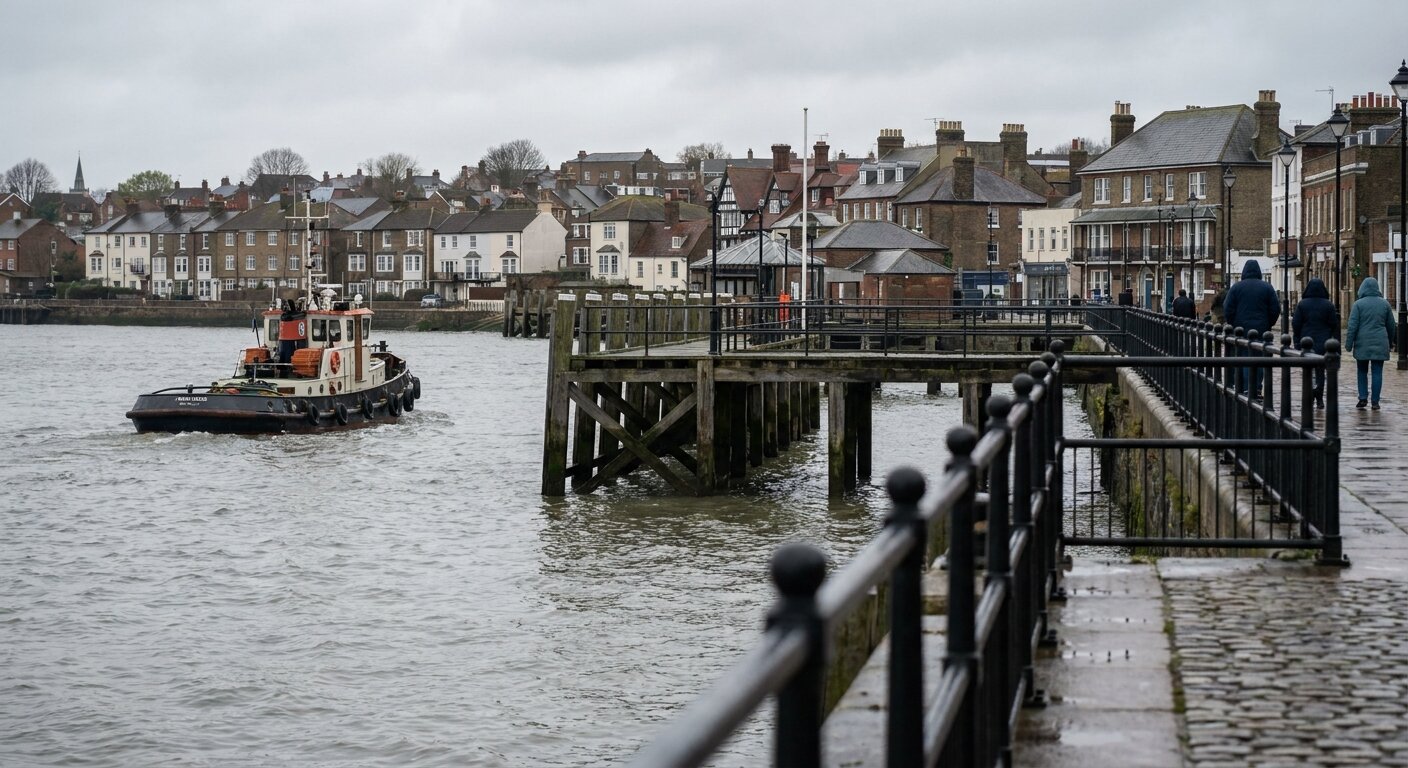
Plenty of Kent towns have parks. Gravesend has a working river, and it is genuinely a spectacle if you have not lived by one.

From the Town Pier and the promenade you can watch the shipping go up and down the Thames, which occupies children for far longer than you would expect and costs nothing at all.

There is also the ferry across to Tilbury, which is a small adventure in itself: a short crossing, a look back at the town from the water, and home again.

Active

Cyclopark is the surprise. A purpose-built cycling and outdoor sports facility on the edge of town, with circuits and trails, and it is unusual for a town of this size to have anything like it. Free to walk into and look round.

Cascades and Cygnet are the two leisure centres, and they are what most local families use for swimming.

Indoors

The Woodville is the town's theatre and concert venue, and worth checking rather than assuming a town this size has nothing on.

The Blake Gallery is small and central.

Gravesend Borough Market is in the middle of town and is the sort of place worth wandering through rather than making a special trip for.

Football

Ebbsfleet United play at Northfleet, which gives you a Saturday afternoon without a trip into London and without London prices.

Just outside

Gad's Hill Place at Higham was Charles Dickens's home. The landscape north of it, out towards the marshes, is the landscape of Great Expectations, and walking it on a grey afternoon is a genuinely atmospheric thing to do with older children.

One honest caveat

Opening times, admission and what is running change constantly, and we are not going to print any of it here and send you on a wasted trip six months from now. Everything above is worth checking before you set off.

What we can vouch for is that these places exist, they are here all year, and between them they cover most weekends.

Why a mortgage broker is writing about parks

Because we live and work here, and because the thing people most want when they are considering a move is the stuff nobody puts in a listing. If that is where you are, we are happy to talk about the practical side too, with a free initial consultation and without obligation.

But mostly: take the ferry. It is better than it sounds.

Your home/property may be repossessed if you do not keep up repayments on a mortgage or other debt secured on it.

There may be a fee for mortgage advice. The precise amount of the fee will depend upon your circumstances.

Your first appointment: what to bring and what we will ask you

Your first appointment: what to bring and what we will ask you

19 August 2026

A good number of people put off their first mortgage appointment for months. Not because they are not ready, but because they do not know what happens in one and are worried about turning up unprepared or being judged.

So here is the whole thing in advance. What it is for, what to bring, what we will ask and why, and the questions people are usually too embarrassed to say out loud.

What the appointment actually is

It is a conversation, not an application. Nothing is submitted anywhere, nothing goes on your record, and you are not committing to anything by sitting down with us.

The initial consultation is free of charge and without obligation. If you decide afterwards that you would rather do nothing for a year, that is a perfectly good outcome.

What to bring

If you have these to hand, the conversation goes further:

  • Photographic identification and something showing your current address.
  • Your recent payslips, if you are employed.
  • Recent bank statements, personal and business.
  • If you are self-employed or a company director: your last two years of accounts, or your tax calculations and tax year overviews.
  • Anything about your deposit: where it is and where it came from.

And the important part: if something is missing, come anyway. We would far rather have the conversation and follow up on a document than have you postpone it for a month over a payslip.

What we will ask you, and why

None of this is a test. Each question is there because it changes what is possible.

How your income is made up, so we can present it accurately. This matters far more for the self-employed and for directors, where salary, dividends and retained profit tell quite different stories about the same person.

What goes out each month, including loans, cards and car finance, because affordability is about the gap rather than the headline income.

Whether anybody depends on you financially, which affects both affordability and what protection is worth considering.

What you are planning, for the next few years. Somebody expecting to move again soon has different needs from somebody settling.

Your deposit, and its source, because lenders ask and it is better sorted early than at the last minute.

The questions people are embarrassed to ask

We would rather you asked. In no particular order:

"I missed a payment a few years ago." Say so. It is common, it is often less significant than people fear, and it is far better known at the start than discovered later.

"I have only been self-employed a short while." Also common. Lenders differ considerably in how they look at this, which is exactly the sort of thing advice is for.

"My deposit is small." Then we work with what there is. It shapes the options rather than ending the conversation.

"My income is complicated." Good. That is the situation where we are most useful, and it is why we exist alongside an accountancy practice.

The bit that is genuinely different about us

JB Partners sits alongside MCC Partners, a firm of accountants. In practice that means a set of company accounts gets read by people who read accounts for a living, rather than being interpreted from a PDF by somebody who does not.

For an employed applicant with a payslip, that matters very little. For a company director whose income arrives in three different forms, it can matter a great deal.

What happens afterwards

We will tell you what we think is realistic and what the next step would be. If that means an application, we will explain what it involves. If it means waiting six months and getting a couple of things in order first, we will say that instead.

We have written separately about what happens once an offer is accepted, which is the stage most people find hardest.

On fees, plainly

The initial consultation is free of charge and without obligation. There may be a fee for mortgage advice. The precise amount of the fee will depend upon your circumstances.

We would rather you read that here than wonder about it.

If you would like to book, we are in Gravesend, and you will speak to the same adviser throughout rather than a different voice each time.

Your home/property may be repossessed if you do not keep up repayments on a mortgage or other debt secured on it.

Why the house price indices disagree, and what each one measures

Why the house price indices disagree, and what each one measures

19 August 2026

Every month brings two or three house price stories, and they frequently seem to contradict each other. One says prices are rising, another says they are falling, and both are reported with equal confidence. It is enough to make you conclude the whole thing is unknowable.

It is not. The reports disagree for a simple reason: they are measuring different moments in the same transaction. Once you know which moment each one is watching, they stop contradicting each other and start being useful.

A house sale has stages, and each index taps a different one

Think about what actually happens when a house is sold.

First a seller decides what to ask for it. Later, a buyer's lender approves a mortgage at an agreed price. Later still, the sale completes and gets registered.

Those three moments can be months apart, and the price can differ at each one. An index built on the first will tell you something quite different from an index built on the third, and neither is wrong.

Asking prices

Some indices are built on what sellers are asking when a property is listed.

The Rightmove index, for example, "includes houses that do not subsequently sell and reports only asking prices". That is a genuine limitation and it is their own description of it. A home listed optimistically and never sold still counts.

It is the earliest signal available, so it tells you what sellers currently hope for. It does not tell you what anybody paid.

The lender indices

Nationwide and Halifax each publish an index built from their own mortgage business. As the government's own guidance puts it, these are "based on their own mortgage approvals only and therefore will not include any cash transactions", and they are timelier because lenders "can process them immediately".

Two things follow from that, and both matter.

They are quick, because a lender knows about its own approvals at once rather than waiting for anything.

And they cannot see a cash buyer at all. A house bought without a mortgage is invisible to a mortgage lender's index, however significant that sale was.

The official index

The UK House Price Index is published by HM Land Registry and the Office for National Statistics. It measures completed sales, "at the end of the conveyancing process, rather than advertised or approved prices", drawing on land registrations in England and Wales, Registers of Scotland, and HMRC Stamp Duty data in Northern Ireland.

Crucially it "uses sales data collected on residential housing transactions, whether for cash or with a mortgage", so it sees the whole market rather than one lender's slice of it.

The trade is timeliness. Registration takes a while: "the amount of time between the sale of a property and the registration of this information varies. It typically ranges between 2 weeks and 2 months." So the official figures always describe a market that has already moved on.

It is also the only one of the three published down to local authority level, which is why a figure exists for Gravesham at all.

So which should you believe?

All of them, about different things. The useful question is not which index is right, it is which one answers your question.

  • What did houses round here actually sell for? The official index. It measures completions and includes cash buyers.
  • What is happening this month? A lender index. It is weeks ahead of the official figures, as long as you remember it cannot see cash sales.
  • What are sellers hoping for right now? An asking price index, with the caveat that some of those homes will never sell at that price.

Why this is worth knowing

Because the next time a headline tells you the market has done something, you will know to ask which moment it is describing, and whose transactions it can see.

We have written separately about what the official figures actually show for Gravesham, including the point that within one borough over one year, semi-detached homes and flats moved in opposite directions. A single number, however authoritative, is always a summary of a mixture.

If you would like to talk about what any of it means for a particular property, we are in Gravesend and the first conversation is free and without obligation.

Your home/property may be repossessed if you do not keep up repayments on a mortgage or other debt secured on it.

Source: About the UK House Price Index, HM Land Registry and Office for National Statistics, accessed 13 August 2026. All quoted passages above are from that page.

There may be a fee for mortgage advice. The precise amount of the fee will depend upon your circumstances.
Please be aware that by clicking on to any of the above links you are leaving our website. Please note that neither we nor HL Partnership Limited are responsible for the accuracy of the information contained within the linked site(s) accessible from this page.

What actually happens between offer and completion, step by step

What actually happens between offer and completion, step by step

19 August 2026

Your offer has been accepted. Everyone congratulated you. And then, for weeks, nothing appears to happen at all.

This is the stage almost everybody finds hardest, and it is not because anything has gone wrong. It is because a great deal of work is going on that nobody thinks to tell you about. So here is what is actually happening at each point, and who is doing it during the quiet stretches.

Offer accepted, and what that does not mean

In England, an accepted offer is not binding on anybody. That sounds alarming and it is worth knowing rather than discovering later. Either side can still walk away until contracts are exchanged.

What it does do is start everything else: the estate agent issues a memorandum of sale, solicitors are instructed on both sides, and your mortgage application can move from a general conversation to a specific property.

The mortgage application proper

Up to this point any conversation about borrowing was about you. Now it is about a particular house, and the lender needs to assess that too.

We submit the application with the property details, and the lender begins its own checks. There is usually a quiet period here while that happens, and it is normal.

The valuation

The lender will arrange a valuation. It is worth being clear what this is for: it protects the lender's security, not your interests. It confirms the property is worth roughly what is being paid and that it is suitable to lend against.

It is not a survey. If you want to know about the condition of the roof, that is a separate thing you commission yourself, and on an older property it is usually money well spent.

Conveyancing and searches

This is the longest and quietest stretch, and it is where most people conclude something has gone wrong.

Your solicitor is ordering searches: local authority, water and drainage, environmental, and whatever else the property or the area calls for. These are requested from third parties who have their own timescales, and nothing much can be done to hurry them.

Enquiries between solicitors

Once the searches come back, your solicitor raises enquiries with the seller's solicitor about anything unclear: a boundary, an alteration without paperwork, a shared drive, a lease detail.

This is where the weeks genuinely go. Each question travels solicitor to solicitor to seller and back. A chain multiplies it, because every property in the chain is doing the same thing at its own pace.

The mortgage offer

When the lender is satisfied, it issues a formal mortgage offer to you and to your solicitor. It is valid for a period, so if the purchase runs long it is something to keep an eye on rather than assume.

Exchange of contracts

This is the moment it becomes binding. Contracts are exchanged, a completion date is fixed, and your deposit is committed. From here neither side can simply change their mind without serious consequence.

People often expect exchange and completion to be the same day. They are usually days or weeks apart, and the gap is agreed between the parties.

Completion

Funds move, the seller's solicitor confirms receipt, and the keys are released. That is the day you actually move in.

Your solicitor then registers the purchase, which happens after you have moved and is one reason official house price figures always lag behind the market.

What genuinely speeds it up

Not chasing. Three things make a real difference:

  • Reply to your solicitor the same day. Every day a form sits on your kitchen table is a day added to the whole chain.
  • Have your documents ready before they are asked for. Identification, proof of address, and evidence of where your deposit came from.
  • Be reachable. A question that waits three days for an answer costs three days.

The honest summary

The process is not slow because people are idle. It is slow because it involves searches from third parties, questions that travel through several hands, and often a chain of other households doing the same thing.

Knowing which stage you are at, and who is holding the ball, turns an anxious silence into a manageable wait. That is a large part of what we do: not just arranging the mortgage, but telling you where things actually stand.

If you are somewhere in the middle of this and not sure what is happening, we are in Gravesend and happy to talk it through, free and without obligation.

Your home/property may be repossessed if you do not keep up repayments on a mortgage or other debt secured on it.

There may be a fee for mortgage advice. The precise amount of the fee will depend upon your circumstances.

The Gravesham property market in numbers: what the official figures show

The Gravesham property market in numbers: what the official figures show

19 August 2026

If you are buying or selling in this borough, you will have seen a great many house price numbers, most of them from portals with something to sell you. So here are the official ones, from the government's own index, along with something more useful than the numbers themselves: an honest account of what they do and do not tell you about your house.

Everything below comes from the UK House Price Index, published by the Office for National Statistics and HM Land Registry. We have not adjusted anything or added a forecast.

The headline figure

The average house price in Gravesham was £341,000 in May 2026, which is the most recent figure available at the time of writing and is marked provisional. That was up 0.9% on May 2025, when it stood at £339,000.

Provisional matters. These figures are based on sales as they are registered, and registration takes time, so recent months get revised as more transactions come in.

The breakdown, which is the more interesting part

A single borough-wide average flattens an enormous spread. Here is the same month by property type:

  • Detached: £610,000
  • Semi-detached: £395,000
  • Terraced: £311,000
  • Flats and maisonettes: £172,000

A detached house in Gravesham costs more than three and a half times what a flat costs. Both are in the same borough, often within a mile of each other, and both are inside that £341,000 average.

The bit almost nobody mentions

Over the year to May 2026, semi-detached homes rose 2.2%, while flats and maisonettes fell 3.0%.

So the market did two opposite things at once. If you own a semi, your year looked different from your neighbour's in a converted flat, and any headline describing "the Gravesham market" as doing one thing was averaging those two into something neither of you experienced.

That is worth carrying with you when you read a market report. A borough-wide figure is a summary of a mixture, not a description of a house.

What an average cannot tell you

The average is built from every sale registered in the borough, which means it is shaped by which houses happened to change hands. A quarter with more flats coming to market pulls it one way; a run of larger sales pulls it the other. Neither movement tells you anything about the value of your own home.

It also says nothing about the things that actually decide what a specific house fetches here:

  • How far it is from a station, which in this borough is the single strongest influence on price.
  • Whether it is in central Gravesend, Northfleet, or out in the villages, which are effectively different markets.
  • The condition of an older property, which in a borough with a lot of Victorian stock can move a price a long way.

Look it up yourself

We would rather you had the source than took our word for it. The figures for Gravesham, updated monthly, are published here:

Housing prices in Gravesham, ONS and HM Land Registry (accessed 13 August 2026)

What we do not do

You will notice there is no prediction in this article. We are not going to tell you where prices are heading, because we do not know, and neither does anybody who tells you they do. Reporting what has already been registered is honest. Forecasting it is guesswork with a confident voice.

What we can do is help you work out what a particular property means for you, which is a different question from what the borough average did last year. If you would like to talk that through, the first conversation is free and without obligation, and we are in Gravesend.

Your home/property may be repossessed if you do not keep up repayments on a mortgage or other debt secured on it.

There may be a fee for mortgage advice. The precise amount of the fee will depend upon your circumstances.
Please be aware that by clicking on to any of the above links you are leaving our website. Please note that neither we nor HL Partnership Limited are responsible for the accuracy of the information contained within the linked site(s) accessible from this page.

Moving to Gravesend: the areas, the trains and what living here is like

Moving to Gravesend: the areas, the trains and what living here is like

19 August 2026

If you are thinking about moving to Gravesend, you have probably already found the house prices and the train times. What is harder to find is an honest description of what the town is actually like to live in, written by someone who is here rather than someone summarising it from a distance.

We work in Gravesend. Our clients live in these streets and villages, and we have helped a great many of them buy here. So this is the guide we would give a friend who asked, covering where the town sits, how people get to London, what the different areas are like, and what there is to do once you have unpacked.

Where Gravesend actually is

Gravesend sits on the south bank of the Thames in north Kent, at the point where the river is still busy with shipping. It is the main town of the borough of Gravesham, which also takes in Northfleet to the west and a run of villages to the south and east.

That riverside position matters more than a map suggests. It gives the town a working, outward-looking feel that inland Kent towns do not have, and it means the northern edge is water and marshland rather than more housing.

The town itself is compact. You can walk from the station to the river in a few minutes, and the older centre still has the shape of a market town underneath the later development.

The trains, which are why most people look here

For most people considering the move, this is the deciding factor.

Gravesend is on High Speed 1, with services running directly to London St Pancras International. There are also slower Southeastern services into Charing Cross, Cannon Street and Victoria, which suits people whose office is nearer one of those than St Pancras.

Ebbsfleet International, the other high-speed station, is next door in Northfleet, so parts of the borough have two high-speed options within a short drive.

We have deliberately not quoted journey times here. They change with timetables, and a figure that is out of date by the time you read it is worse than no figure. Check National Rail or Southeastern for the current position, and if you are choosing between areas, check the specific station you would actually use.

The areas, described honestly

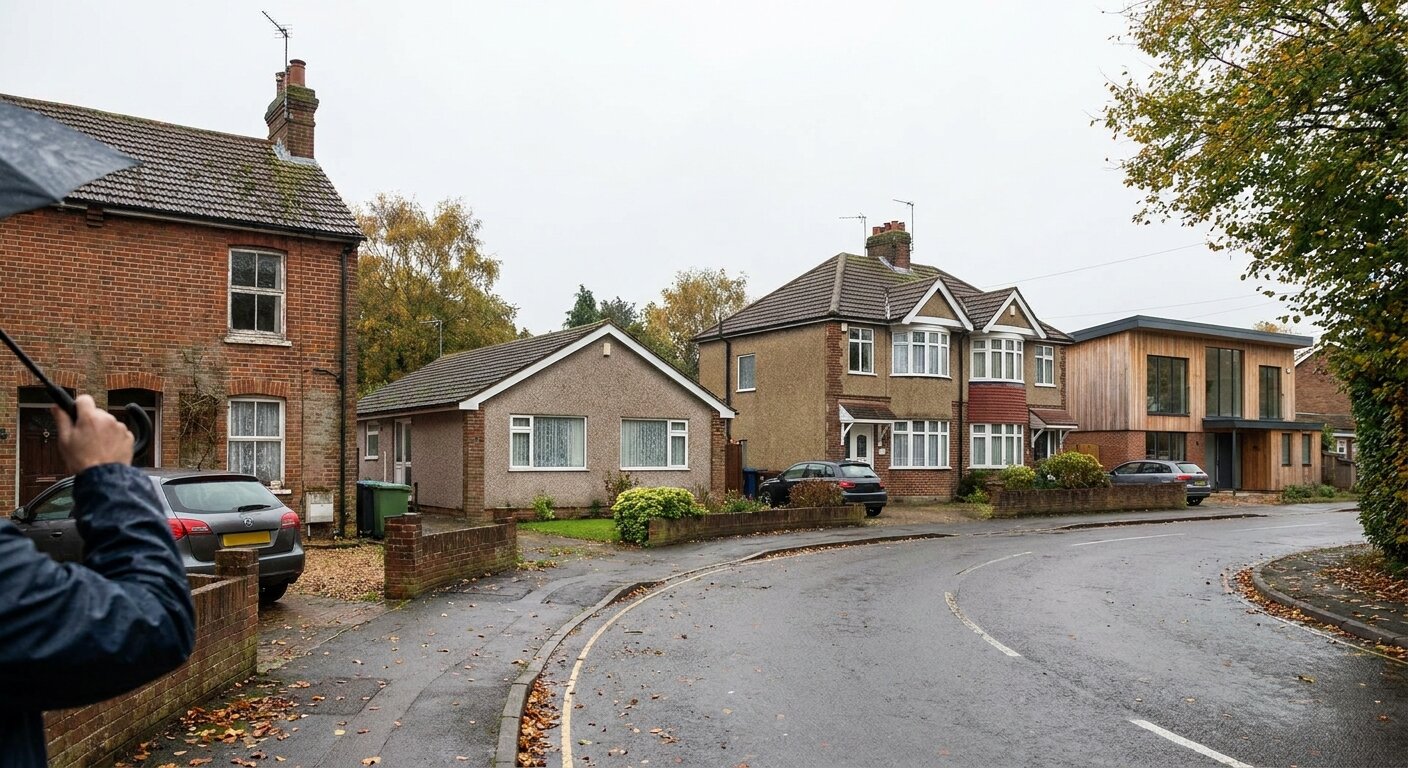
Central Gravesend and the riverside. Closest to the station and the shops, with the widest mix of housing, much of it Victorian and Edwardian terraces. Best if you want to walk to the train and to the town.

Northfleet. West of Gravesend and effectively continuous with it, with Ebbsfleet International on the doorstep. Mixed housing and a good deal of change on its western edge as the Ebbsfleet development grows.

The villages. Head south and the borough turns properly rural quite quickly: Meopham, Higham, Shorne and Istead Rise. More space, more quiet, and a longer trip to a station. We have written about how these compare in more detail, because the differences between them are real and they matter if you are choosing.

The pattern behind all of it. In this borough the trade-off is nearly always the same one: space and quiet against how easily you reach a station. There is no area that gives you both, and knowing that before you start looking saves a lot of disappointment.

What there is to do

Gravesend punches above its weight here, partly because of the river and partly because of one or two facilities you would not expect in a town this size.

  • The riverside and the promenade, with the Town Pier and the working river in front of you. The ferry crosses to Tilbury.
  • Cyclopark, a purpose-built cycling and sports facility on the edge of town, which is genuinely unusual for a place this size and free to walk into.
  • Shorne Woods Country Park, a few minutes out, with proper woodland walks and space for children to be loud in.
  • Fort Gardens, in the town, on the site of the old riverside fortifications.
  • Gravesend Borough Market, in the centre.
  • The Woodville, the town's theatre and concert venue.
  • Ebbsfleet United, at Northfleet, for anyone who wants Saturday football without going to London.

Schools and the practical things

The borough has a mix of primary and secondary provision, including grammar schools, and Kent's selective system means the secondary picture is worth understanding properly before you commit to an area.

We are not going to rank schools or quote inspection grades. Grades change, catchments change, and a wrong one in print could send a family to the wrong street. Look at the current position yourself on the Kent County Council admissions pages and on individual school websites, and if the school run is central to your decision, make it part of the conversation early rather than late.

What we would say if you asked us over the counter

Gravesend suits people who want to be in Kent without being cut off from London, and who would rather have a river and a market town than a commuter estate. It is not for everybody, and the villages and the town centre suit quite different lives.

The part we can help with is the bit that comes after you have chosen. Buying in an area you do not yet know throws up questions that a lender's website will not answer, and having somebody local in your corner is worth a great deal at that point.

If you are weighing up a move here and want to talk it through with no obligation, we are in Gravesend and we would be glad to help.

Your home/property may be repossessed if you do not keep up repayments on a mortgage or other debt secured on it.

There may be a fee for mortgage advice. The precise amount of the fee will depend upon your circumstances.
Northfleet, Meopham or Higham: how the villages around Gravesend compare

Northfleet, Meopham or Higham: how the villages around Gravesend compare

19 August 2026

Once people decide on this part of Kent, the next question is always the same: which bit? Gravesend itself is one answer, and we have written about the town separately. But a good number of our clients end up somewhere in the ring of villages around it, and the differences between them are much bigger than a map suggests.

So here is an honest comparison of the five places we get asked about most, each judged on the same four things: what it is actually like, what the housing is, how you get to London, and who tends to end up there.

Northfleet

What it is like. Northfleet sits immediately west of Gravesend and runs into it, so calling it a village is generous. It is a town in its own right with a long industrial history, and it is changing faster than anywhere else in the borough because of the Ebbsfleet development on its western side.

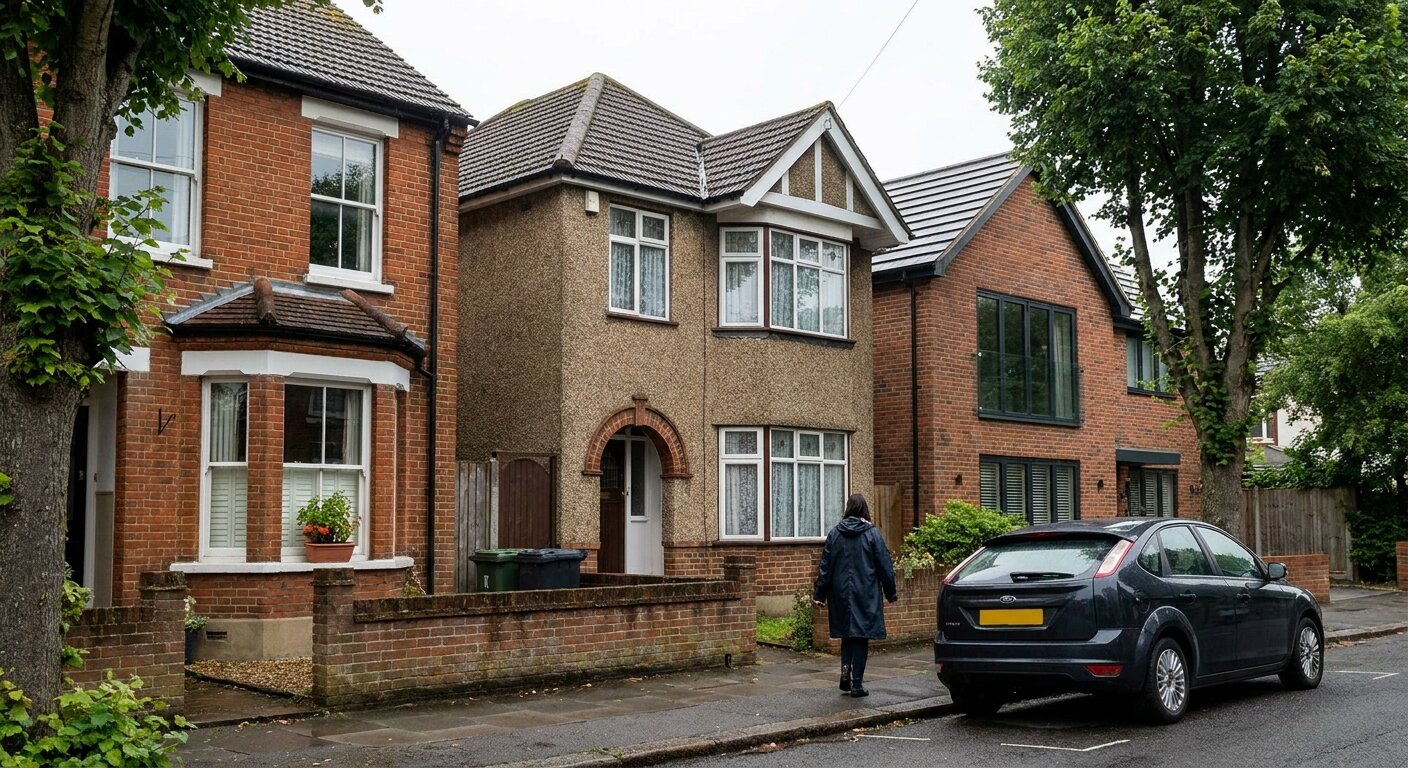
The housing. A wide mix. A great deal of Victorian terracing, later twentieth century estates, and new build appearing on the edges.

Getting to London. The best in the borough, and it is not close. Ebbsfleet International is here, so you have a high-speed station on the doorstep as well as Gravesend a short distance east.

Who ends up here. People who want the shortest possible commute and are relaxed about being in a working town rather than a picture postcard.

Meopham

What it is like. Properly rural, and unusual in that it is strung out along the road for several miles rather than gathered around a centre. That surprises people who arrive expecting a compact village. It has village greens, a cricket pitch and a preserved windmill.

The housing. Varied and generally larger, with more detached and semi-detached houses, more garden, and pockets of older cottages.

Getting to London. Meopham has its own station, on the line through Otford towards Victoria. It is slower than the high-speed route but it goes from the village.

Who ends up here. Families trading commute time for space, and people who genuinely want to be in the countryside rather than near it.

Higham

What it is like. Small and quiet, north east of Gravesend, with the marshes beyond it running down to the Thames. Its claim to fame is Gad's Hill Place, which was Charles Dickens's home, and the landscape around it is the landscape of Great Expectations.

The housing. Smaller in scale than Meopham and generally more modest, with a good deal of period property in the older part.

Getting to London. Higham has its own station too, on the line towards Strood and beyond.

Who ends up here. People who want quiet and do not need a large house to get it, and anyone who falls for the marsh landscape, which some people love and others find bleak.

Shorne and Istead Rise, briefly

Shorne is east of Gravesend, small and rural, and best known locally for Shorne Woods Country Park on its edge. It has no station of its own, so it is a drive to one.

Istead Rise is closer in, off the road towards Meopham, and is essentially a twentieth century residential village. More uniform housing, easier access to Gravesend, no station.

The pattern behind all of it

If you look at those five side by side, the same trade-off runs through every one: space and quiet on one side, and how easily you reach a station on the other.

Northfleet gives you the commute and asks you to accept a working town. Meopham gives you the countryside and a longer, slower journey. Higham splits the difference on both. Shorne and Istead Rise ask you to drive.

Nowhere in this borough gives you all of it, and the people who are happiest with their move are the ones who worked out which of those two things they actually cared about before they started looking rather than after.

Where we come in

The choice of village is yours, and we would not presume to make it. What we can do is the part that comes next, because buying in a village you do not yet know throws up questions a comparison website cannot answer: older property, unusual construction, and the practicalities of a purchase in a small market where things move differently.

We are in Gravesend, we know these places, and the first conversation is free and without obligation. If you are weighing up two of them and want to talk it through, we would be glad to help.

Your home/property may be repossessed if you do not keep up repayments on a mortgage or other debt secured on it.

There may be a fee for mortgage advice. The precise amount of the fee will depend upon your circumstances.